
New Patient
Comprehensive
Exam & X-Rays
Dental Implant Failure & Salvage Goose Creek
Compassionate Care to Get Your Smile’s Health Back on Track
We often recommend dental implants due to their strength, durability, and high success rate. In fact, according to some estimates, they do well in more than 95% of cases. However, that does still leave the small chance that something could go wrong after your implants are placed. If you ever believe that your new teeth are in danger of failing, reach out to our Goose Creek team right away. We will thoroughly assess the problem and advise you on your next steps. We want to get you smiling confidently again ASAP!
Why Do Dental Implants Fail?
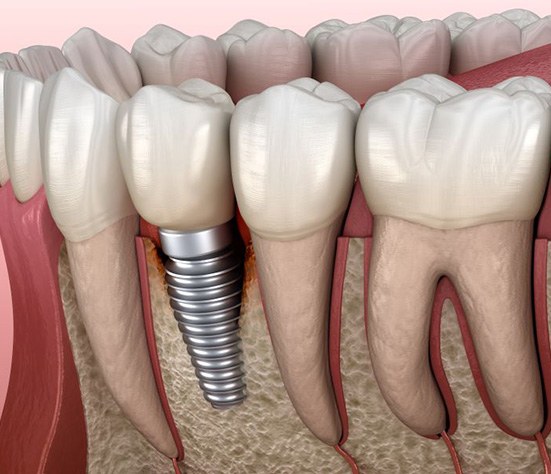
The most common reason why dental implants fail is due to an infection known as peri-implantitis. Essentially, this is a type of gum disease that attacks both the soft and hard tissue around an implant. If it is not caught early enough, it can cause so much damage that the implant no longer has a solid base of support. Missteps in oral hygiene and other factors can play a role in the development of peri-implantitis.
Dental implant failure can occur for other reasons as well. For example, dental injuries, chronic teeth grinding, and underlying medical conditions could all contribute.
Symptoms of a Failed Dental Implant

We encourage you to keep a close eye on your dental health so you can take fast action if you start to notice even subtle signs of a problem with your implants. You should call us if you experience:
- Unusual pain: After you heal from your implant surgery, you should not feel pain around your implants. Severe or lingering discomfort is always a cause for concern.
- Difficulty chewing: Once you adapt to your new teeth, eating with them should be easy. Challenges in this area are a red flag that should not be ignored.
- Signs of infection: Swelling, gum recession, pus, bad breath, and redness are all potential indications of peri-implantitis.
- An implant feels loose: This could be an issue with the implant itself or the restoration that is attached to it.
How Dental Implant Salvage Works
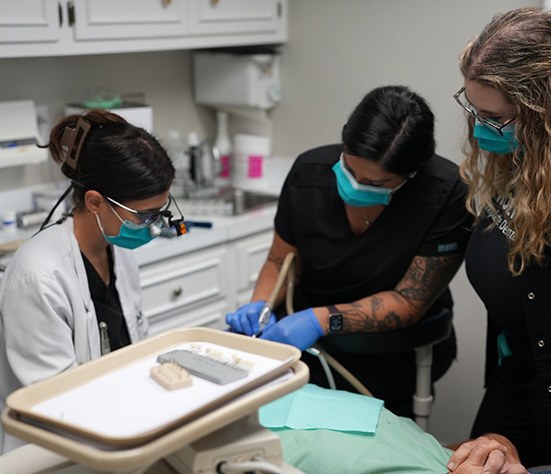
Request an appointment with us as soon as you suspect a problem. The earlier we can identify and treat issues, the more likely it is that conservative care will be adequate for your situation.
During your appointment, we will thoroughly examine the area in question and use imaging technology to look beneath the surface of your gums. After we gather adequate information, we can start to formulate a plan.
In some cases, antibiotics or a new crown is all that is necessary. In other instances, more extensive care is required. We might even have to completely remove a failing implant. Later, after a healing period and any necessary restorative care, you may be able to get a new one.